_w=450_h=275.png?v=20230522122229)
Travel Counsellors for Business launches data and insights platform
Built for corporate SME clients


_w=1920_h=768_pjpg.jpg?v=20230522122229)
_w=1920_h=768_pjpg.jpg?v=20230522122229)
_w=1920_h=768_pjpg.jpg?v=20230522122229)
Built for corporate SME clients
_w=450_h=275_pjpg.jpg?v=20230522122229)
Industry to increase investment as websites 'most effective' at driving bookings
_w=450_h=275_pjpg.jpg?v=20230522122229)
Carrier becomes first in China’s Mainland to sign with the travel technology firm
_w=450_h=275_pjpg.jpg?v=20230522122229)
Brits found to be forward planning trips that are long-haul with 'sun and culture'
_w=450_h=275.png?v=20230522122229)
Move will expand its property offering
_w=450_h=275_pjpg.jpg?v=20230522122229)
Carrier becomes first airline to launch a built-in online shopping mall
_w=450_h=275.png?v=20230522122229)
Companies from across Southeastern Europe, Moldova and Ukraine, can apply
_w=450_h=275.png?v=20230522122229)
Acceleration in 2024 driven by its focus on online travel sellers and tourism boards
_w=450_h=275_pjpg.jpg?v=20230522122229)
Rail firm announces flexible fares across all travel classes
_w=450_h=275.png?v=20230522122229)
It has extended its enterprise power across the travel industry
_w=450_h=275.png?v=20230522122229)
Automation upgrades will mean hoteliers can track payments in real-time
_w=450_h=275_pjpg.jpg?v=20230522122229)
London Gatwick continues to rank as one of the most unpunctual airports
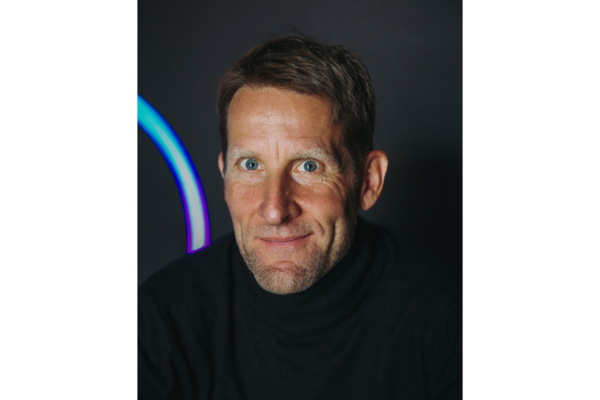
Markus Feller, CEO of SaaS hospitality management and communications provider Like Magic, reveals the impact of AI adoption and implementation

The AI can generate unique personalised replies to guest reviews in seconds
_w=450_h=275.png?v=20230522122229)
The pandemic was actually a blessing for the tour operator
_w=450_h=275.png?v=20230522122229)
Bill McKimm, VP Travel of eSIM Go, shares how to unlock the truly connected traveller experience
_w=450_h=275_pjpg.jpg?v=20230522122229)
Former Priceline chief scientist and LIFE Rewards founder Eddie Ibañez explains his vision for the start-up that is developing its model using...
_w=450_h=275_pjpg.jpg?v=20230522122229)
The sold out area will see more than 100 Travel Tech exhibitors